

Retirement brings freedom — but also surprises. Discover the most common good and bad retirement surprises seniors experience, from spending changes to loneliness to newfound joy.
Retirement sounds like a sweet dream when you’re at midlife or younger.
Stop working. Sleep late. Travel more. Relax. Enjoy life.
But once you actually retire and step into that dream bubble, reality can be different from your expectations.
Some changes are wonderful. Others can catch you off guard.
That’s because retirement isn’t just stepping away from the daily grind. It’s a financial transition as well as an emotional and lifestyle transition, too.
If you know what’s coming, it’s much easier to adjust and truly enjoy this stage of life.
Here are the most common retirement surprises — both bad and good— that many people experience.
Unpleasant Retirement Surprises
1. You May Spend More Money at First
This one shocks almost everyone.
The cost of commuting, coffee shop coffee, office lunches and other expenses associated with work will go away. But your new-found freedom can cost you money.
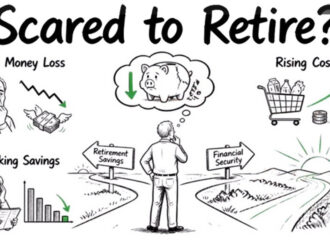
A Center for Retirement Research at Boston Collegesurvey found that 1 in 10 retirees felt they were spending their retirement savings too quickly.
Among the reasons you may spend more at first is that you’ll finally have time to:
- travel
- dine out with friends
- take classes
- play golf
- fix up the house
- try new hobbies
- go to plays and concerts and museums
All those activities come with their own price tag. Your discretionary spending can actually increase before slowing later.
2-Non-Discretionary Expenses Keep Increasing
Then there are all those expenses you can’t avoid.
For starters, there’s health insurance and out-of-pocket healthcare and drug costs. When you were an employee, your employer may have paid part of your health insurance premiums. Now, if you’re like most retirees, you have to pay the full cost of medical insurance and other health expenses. And they increase yearly.
Heating and cooling your home, are likely to cost more now. Besides annual increases, your costs will go up because you’ll want the temperature at home set to a comfortable level all day instead of only in the hours before or after work.
Additionally, these expenses have a one-way trajectory:
- Real estate taxes will keep going up
- Car insurance premiums generally increase each year
- Car prices keep going up
- Home insurance premiums go up
- Cable TV, streaming and Internet services increase in price yearly
- Mobile phone costs go up regularly
- Major appliances may need to be replaced
- Your home may need major repairs
- You may need to hire people to do chores you’re no longer able to do yourself
To avoid running out of money in retirement, you need to plan and save for retirement in advance. Put aside as much money as possible before you retire.
Delaying retirement, working part time after retirement, or starting a retirement business may also help you steer clear of the retirement money crisis many seniors face.
Related: How to Save on Senior Prescription Drug Costs
3. Surprise! Too Much Free Time Can Feel Uncomfortable
After decades of schedules, complete freedom can feel strange.
Some new retirees quietly think:
“What am I supposed to do today?”
Without structure, days blur together.
But your days don’t have to be unstructured and dull. Fortunately, there are many things you can do to structure your days and make life meaningful and enjoyable. Start with this list of 51 things to do to avoid boredom in retirement.
4. Loneliness Can Sneak Up on You
Work provided built-in social contact.
Once it’s gone, friendships require more effort.
Even happily married people sometimes miss casual daily conversations with coworkers.
Social isolation isn’t just sad. Loneliness can have serious mental and health risks, as well.
Staying socially connected becomes more important than ever. Reconnect with old friends. Join in religious and community group activities. Stay in touch regularly with family members. Most communities have many resources to help seniors avoid loneliness.
5. Your Identity Changes After Your Retire
For years, you were “the manager,” “the teacher,” “the business owner,” or “the nurse.”
Then suddenly… you’re just you. Or that “old lady down the street.”
That can feel surprisingly disorienting.
It takes time to rediscover who you are beyond your job title — but many people find this stage freeing and empowering. Instead of having to be and do what others expect of you, you can follow your passion, whether it’s riding motorcycles, being an artist, or anything else.
6. You’re Ignored or Patronized Because of Your Age
You have a wealth of life and business experience. But some members of younger generations have stereotypical views of people who are retired or near retirement age. They assume what you say is incorrect, out-of-date, inconsequential, or out-of-touch with reality. So, they talk down to you or just ignore you.
That’s ageism. Don’t put up with it. And don’t start doubting yourself. Provide facts and examples to support your points. Ask others to explain their reasoning. Stay up to date on your industry (if your still working) and on things going on in the world.
Related content: How to Stay Sharp as You Age
7. Downsizing Is Harder and More Emotional Than Expected
Sorting through decades of belongings can be tough. Those belongings aren’t just “stuff” — they’re memories.
But sadly, the things that mean so much to you may not be worth much or anything to other people.
If you’re moving from a house to an apartment or assisted living complex, it’s unlikely you’ll have room for all the gadgets, equipment and decorative items you’ve accumulated over the years. The same is true for the 17 pairs of footwear that are tucked in your closets.
Your children may not want the fine china, memorabilia, antiques, collectibles. or furniture you planned to pass on to them. You may not be able to sell them for much money, if any, either.
Give yourself time and grace during this process. If you’re hoping to sell your stuff, look for comparable sold listings online.
8. Couples Need More “Separate Space”
Being together 24/7 is wonderful… and sometimes challenging.
Small habits become noticeable.
The happiest couples usually:
- keep separate interests
- maintain individual routines
- spend some time apart each day
A little independence goes a long way.
9. Health Takes More Attention
Doctor visits and preventative care take up more mental space and space on your calendar than before. Healthcare products and medical and drug costs that insurance doesn’t cover may take up a bigger chunk of your budget, too.
Even healthy retirees realize that staying active and fit becomes a part-time job.
The upside? You finally have time to focus on it.
Happy Retirement Surprises
10. Retirement Makes Every Day Feels Like Saturday
No alarm clock. No commute. No rushing out the door. When you retire, you get to slow down and leave workplace stresses behind.
Sit in the sun and read the newspaper as you sip your morning coffee. Go for a run, meet some old friends for lunch, play pickleball, join a park cleanup campaign. Learn to play piano. The days are yours. Do with them what you please.
11. You Can Avoid the Crowds
You can get things done and have fun when the rest of the world is at work. Many retirees say this simple freedom is their favorite part.
Grocery stores are quieter. Appointments are easier to schedule. Movies are usually cheaper to see in the daytime. Parking spots near the mall entrance are easier to find. The beach is less crowded at mid-week, and you have a better chance of getting to use the equipment you want at the gym.
Traveling can be more enjoyable, too. You can travel “off-season” (for example, during the school year when teachers and families with school-aged children can’t). The attractions you want to see tend to be less crowded then. An added benefit: travel and accommodations may be less expensive off season than they are during the busy summer months or holiday times.
12. Retirement Means You Finally Have Time For “Someday”
Think about all those things you postponed for decades.
Now you can actually do them.
Painting. Traveling. Gardening. Writing. Volunteering. Learning to play the piano. Starting a small side business.
Retirement often becomes the most creative chapter of life. An added benefit: learning and doing new things helps keep your mind sharp.
13. Stress Drops More Than You Expected
Even people who like their jobs don’t realize how much background stress they carry.
Deadlines. Office politics. Traffic. Constant emails.
Without those pressures, you may:
- sleep better
- worry less
- feel calmer
- have lower blood pressure
- feel more present
- be more pleasant to be around
It’s like your nervous system finally relaxes.
14. Relationships Deepen
Being free from work gives you time to deepen relationships with family and friends or build new relationships. Visit grandkids after school. Take them to a zoo, a museum, or (depending on their age) an escape room when they’re on a school vacation. Take long walks with your spouse or a friend. Invite a neighbor out for coffee.
Time together feels less rushed — and more meaningful.
15. You Don’t Miss Work as Much as You Feared
It’s natural to be worry about missing your career and the people you work with when your job has been so much a part of your days and your identity over the years.
But after a few months, you’re likely to discover something surprising: You don’t miss alarm clocks, meetings, deadlines, paperwork, long days standing on your feet, unpleasant customers, backaches, or strained muscles.
The “Mixed Bag” Retirement Surprises
16. Time Seems to Move Faster
Without work milestones, weeks and months can blend together.
Many retirees say time flies — which motivates them to use it more intentionally.
17. You Might Want to Work Again (A Little)
Probably not full-time.
But part-time, consulting, or freelancing can provide a number of benefits. Among them:
- purpose
- social contact
- extra income
Many retirees are surprised they actually want something meaningful to do.
18. Retirement Isn’t One Long Vacation — It’s Real Life
After the honeymoon period, life becomes normal again… just without a job.
And honestly?
That’s perfectly okay.
How to Make Retirement Happier (and Avoid the Biggest Pitfalls)
The happiest retirees don’t necessarily have the most money.
They usually:
✔ Plan how they’ll spend their time
✔ Spend their money thoughtfully
✔ Stay socially active
✔ Keep learning
✔ Protect their health
✔ Stay flexible
✔ Let go of unrealistic expectations
Retirement works best when you treat it as a new chapter to design, not simply a permanent vacation.
You Can Do This
If you’re feeling surprised by retirement — good or bad — you’re normal.
Everyone goes through an adjustment period. With a little planning, a lot of self-kindness, and a positive attitude, this stage can truly become one of the most rewarding times of your life.
Photosource: ChatGPT










Leave a Comment
Your email address will not be published. Required fields are marked with *