

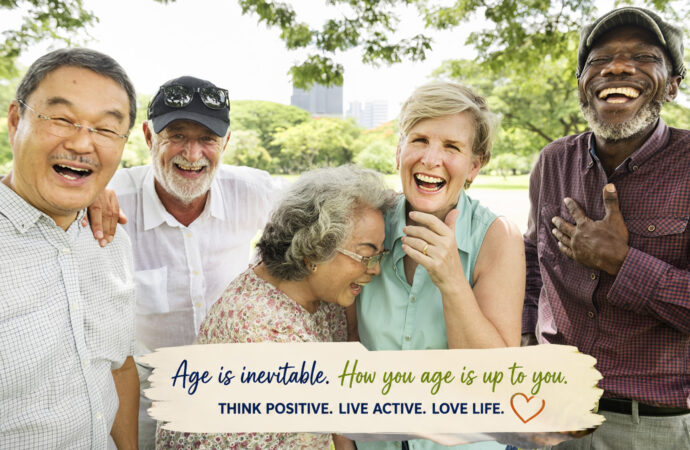
If you’re in your 55 or older, you’ve probably thought about how to stay sharp and keep your body strong as you age.
Maybe you’ve experienced the occasional “senior moment” like forgetting someone’s name, wondering why you walked into a room, or struggling to remember where you parked the car. And perhaps you’re finding it harder to climb stairs, open containers, or stand up after you’ve been sitting for a while. It’s easy to worry when those things happen. After all, we’re constantly exposed to jokes, cartoons and ageist comments that suggest getting older inevitably means becoming forgetful, less mobile, and less mentally sharp.
Aging Redefined
The good news is that new research suggests those stereotypes don’t tell the whole story. A study titled Aging Redefined: Cognitive and Physical Improvement with Positive Age Beliefs, by Dr. Becca R. Levy and Dr. Martin D. Slade, found that cognitive and physical decline are not inevitable.
In fact, a significant number of older adults (45.15%) had improvements inthinking ability, physical function, or both over a 12-year period. When the number of people who showed no change (stasis) was included, the percentage of people who had stable or improved cognition rose to 51.06%.
Furthermore, the study, which included more than 11,000 adults aged 65 and older, found that “positive age beliefs predicted these two types of improvements.” Those who held more positive views of growing older were significantly more likely to maintain—or even improve—their cognitive abilities and mobility over time.
Why Having a Positive Attitude Towards Aging Matters
The Aging Redefined study shows aging and decline don’t inevitably go hand in hand. Although that study doesn’t explain how a positive attitude leads to better health, there’s a growing awareness of the connection between attitude and health. Essentially, negative feelings and worries about aging often lead to fatalist attitudes that nothing can be done. People with a positive attitude towards aging are more likely to engage in lifestyle choices that help them stay healthy, engaged, and independent.
Developing a Positive Aging Mindset
You can’t stop aging, but you can reframe your attitude towards it. Here are several steps to take:
1 -Reject Ageist Stereotypes
Ageism causes older adults to be devalued. Don’t put up with those attitudes from others, and don’t fall prey to them yourself.
Age, alone, doesn’t dictate your capability to learn and remember things, take care of yourself, contribute to the workplace and your community, or use technology. Instead of focusing on the negative stereotypes associated with aging, remember that wisdom, resilience and adaptability are strengths of older adults and go hand in hand with longevity.
There are famous people like Dick Van Dyke and Mel Brooks, and all the uncelebrated people in your own neighborhood and circle of friends who defy aging stereotypes. You’ll find them enjoying plays at the local theater, volunteering for nonprofits in your area, teaching classes, running businesses, attending classes at local colleges, working out at the gym, gardening, gaming, or doing whatever they fancy.
2 -Find Your Own Purpose and Meaning
Have you ever noticed how you feel more energetic when you have something to get done that you want to do? Having a sense of purpose has been shown to help prevent or mitigate cognitive decline. According to a study published in International Psychogeriatrics, older adults with a sense of purpose “tend to experience better aging outcomes compared to their peers across multiple life domains”.
There are plenty of ways to stay relevant and avoid boredom in retirement.
Are you the go-to person for babysitting your grandkids? Can you be the one who gets your friends together for a game of bridge, or to go to the movies? Do you love to garden, knit, sew? Have you always wanted to learn a new language, or how to play the piano?
Enjoy finally having time to do the things you like doing.
Small goals and achievements as well as major ones are all part of your purpose that you can focus on and celebrate.
3 – Embrace Your Adaptability
Change is a constant in life. And so is your ability to adjust your behavior, mindset, or routine to fit into changing circumstances.
Love to go to the movies, but find the admission cost way too high? Contact your local library. Chances are they have plenty of movies that are free for stream to your TV, phone, computer or tablet. Like going to live events? Check out free offerings from your town or county and library.
If driving has become difficult or impossible, search online for transportation services for seniors in your community. If you’re a Veteran, check out the services available to Vets in your area. Or use rideshare services (like Lyft or Uber). Food delivery and online shopping can bring the items needed to you, as well.
If walking up stairs in your home is extremely difficult and/or you’re at risk for falling, consider having a stair lift installed.
If everyday activities like picking up things that drop, opening jars, or reaching things on high shelves is becoming difficult, there are simple gadgets that can make these tasks easier.
4 – Practice Optimism
Acknowledge the challenges of aging without being pessimistic or defeatist about them. Do everything you can to stay strong or grow stronger and maintain or improve your memory. Follow recommendations from medical professionals for exercise routines or physical therapy. Pat yourself on the back for each little success.
Think about all the things you can do and have more time to do now that you are older. You have more freedom to be yourself, do things you want to do, and learn new things. And don’t forget those discounts you get for being a senior.
5 – Stay Physically Active
Exercise helps your muscles stay strong and helps you stay independent. But that’s not all exercise does. As reported in Harvard Health, exercise can boost memory and thinking skills.
You don’t need intense workouts. Walking, chair yoga, Tai Chi, swimming, and gentle stretching exercises all are helpful. Go for a stroll through your neighborhood, park your car a little further away from the supermarket entrance, ask your doctor for simple exercises you can do at home. Or use the treadmill or bikes at a gym. (Some MediGap and Medicare Advantage plans pay for gym memberships.)
Need some motivation? Read how an 81-year-old is leading aerobics and tai chi classes for other seniors.
6 – Manage Aging and Health Challenges
Don’t think about what you won’t be able to do as you grow older. Instead, think about what you can do now to maintain or improve your health and independence.
Start with regular medical checkups and follow your doctors recommendations for routine tests, preventative studies and lifestyle changes. Ask your doctor to recommend simple exercises you can do to stay strong or improve your strength. Taking care of yourself helps you know about and address potential health issues before they become more serious.
Realize that some aging challenges as manageable conditions rather than fixed limitations. It’s estimated that 1 in 3 people over the age of 65 have osteoarthritis. And while it is a major cause of disability, it can often be successfully managed by weight loss, physical therapy, joint replacement or other medical procedures.
Cataracts are another common and highly treatable impairment. Impaired vision, whether from cataracts or other conditions can increase your risk for falling, cognitive decline and social isolation. Plan on yearly eye exams by an ophthalmologist and follow your eye doctor’s recommendations for any problems detected.
7 – Maintain Social Connections
Loneliness isn’t just emotionally painful. Social isolation is linked to increased cognitive decline and risk.
Social interaction challenges your brain. Conversations require memory, attention, emotional processing, and language skills — all in real time.
Fortunately there are many resources to help you find new friends, combat loneliness, and keep your mind active.
Don’t Let Your Age Define You
Getting older brings changes. Maybe you move a little more slowly than in the past. Or you forget names occasionally or take a little longer to learn something new. But those changes don’t automatically mean you’re losing your memory or that you’re on the decline.
Your own beliefs about aging and the choices you make every day matter. Help yourself stay sharp by being physically active, keeping your mind engaged, maintaining social connections, and continuing to pursue activities that give your life purpose.
Aging that happens to all of us. How you think about it and choose to live matter more than you realize.
Disclaimer: The information on this website is provided for informational purposes only and should not be considered as legal, tax, accounting, or medical advice. Please consult a licensed professional for help with any specific questions and issues you may have.
Photo source: Istockphoto
1 comment








1 Comment
Zack
July 15, 2026, 1:19 amMaintaining brain health is so important! Reducing mental clutter is a big part of that for me. I use Taskai on my Android to offload all my random thoughts so I can focus on staying present and positive.
REPLY